
Pipe Repairs Plumbing Services in Quantico, VA
Quantico Pipe Repairs Professionals ready now in Prince William County
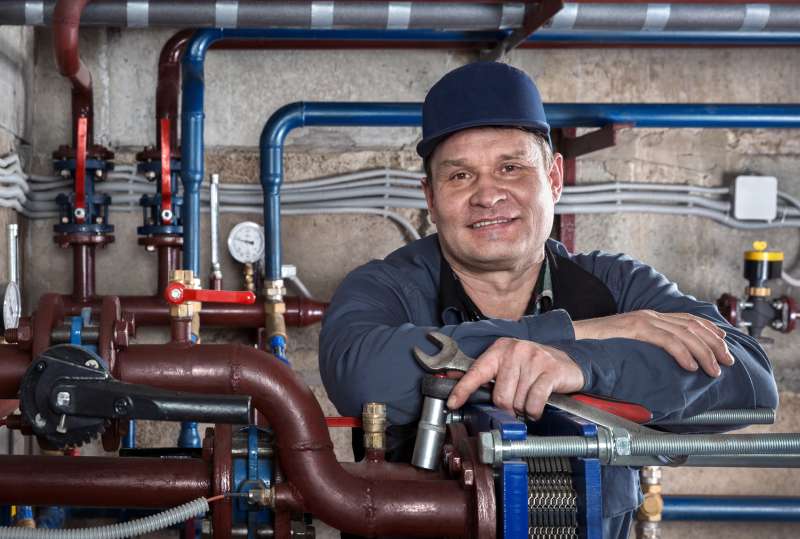
Pipe Repairs provides a core plumbing service dedicated to restoring the integrity of worn or broken pipes within residential and commercial systems. Whether addressing corrosion, cracks, joint failures, or burst pipes, the service includes accurate diagnostics and effective repair methods, such as epoxy lining, clamping, or pipe section replacement. The goal is long-term functionality and prevention of future disruptions
We provide top-quality Plumbing services throughout Prince William County. Whether you need help with Pipe Repairs or other issues, our Team is ready.

Plumbing Services in Quantico, VA
Setting up dishwashing machines, water heaters (tank and tankless), waste disposal unit, and cleaning machines.
Ensuring backflow avoidance devices are working correctly.
Moving or updating plumbing systems.
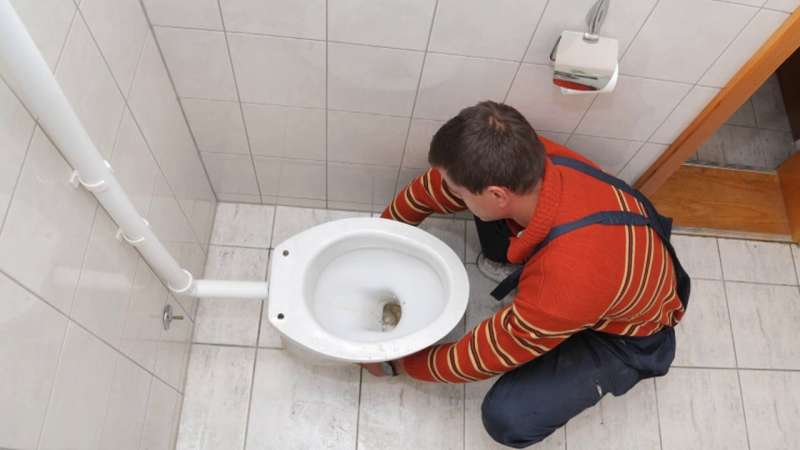
Ensuring plumbing systems satisfy regional guidelines.
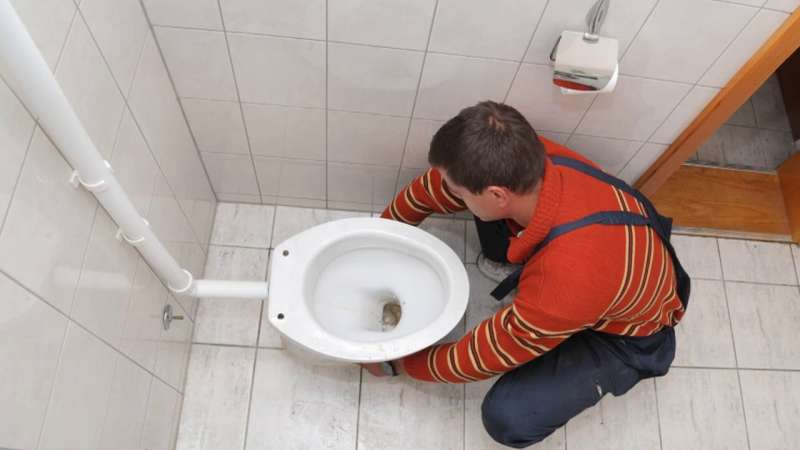
Immediate action to prevent flooding and water damage.
Cleaning clogs in sinks, toilets, showers, and sewage system lines.

Routine cleaning to prevent obstructions and maintain flow.
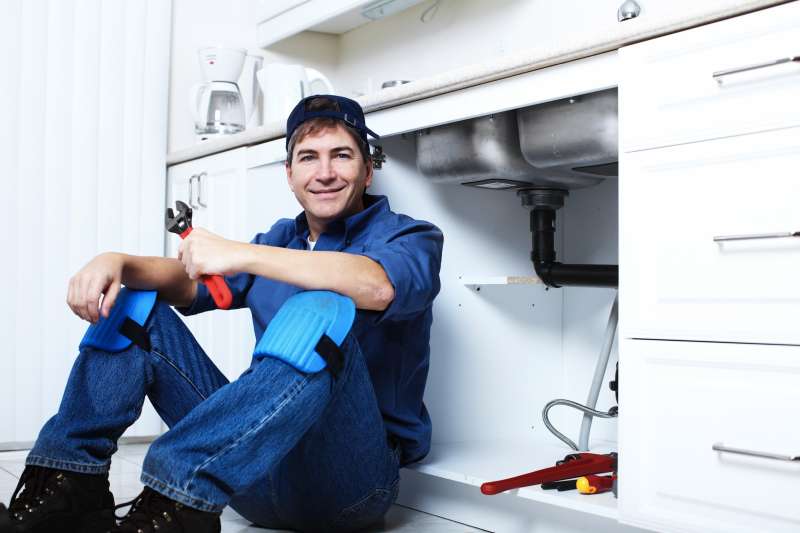
Fixing malfunctioning faucets, toilets, and other components.
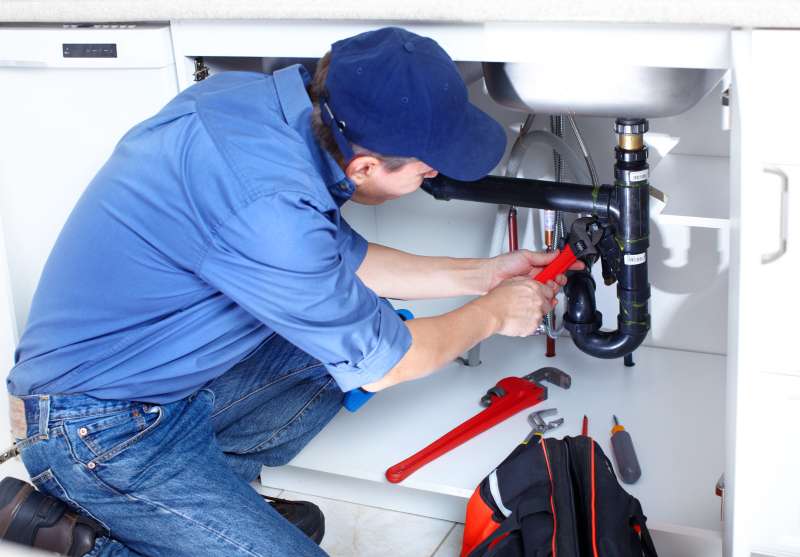
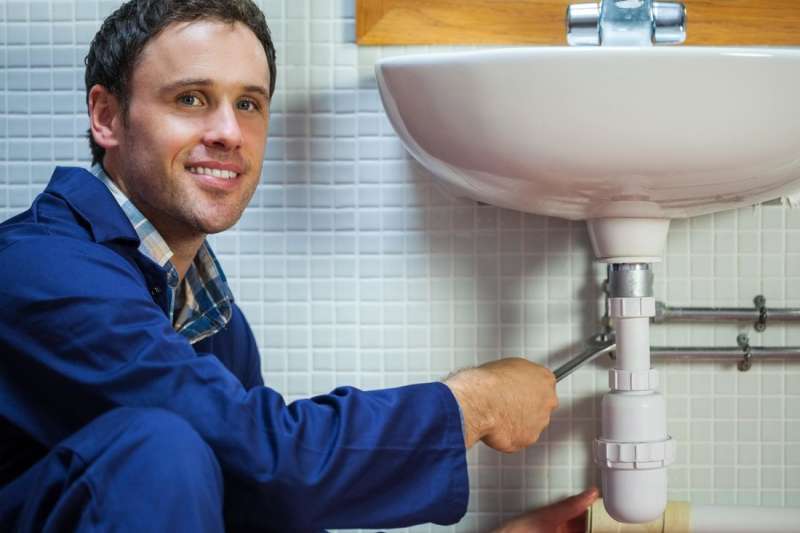
Installation of sinks, faucets, toilets, bathtubs, and showers.

Emergency detection and repair to prevent threats.
Repairing gas leaks and guaranteeing correct gas line working.

Establishing systems for reusing household wastewater.
Installing and keeping glowing floor heating systems.
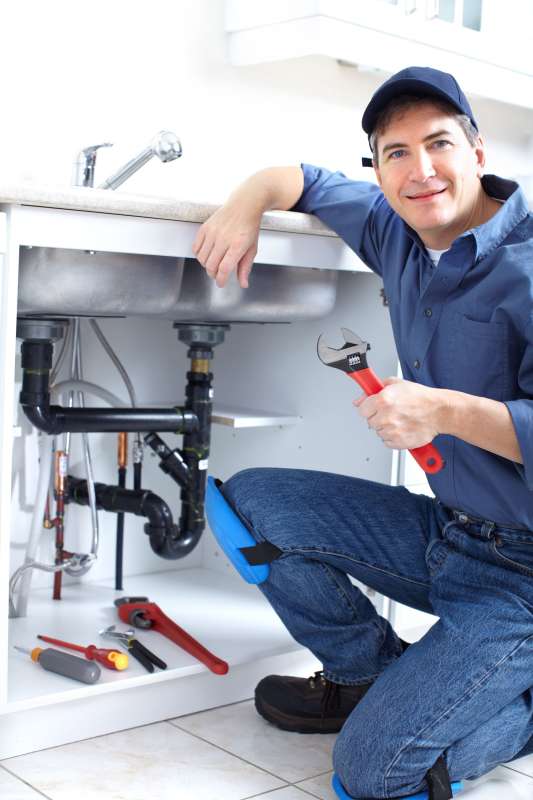
Specialized piping for factories or commercial settings.
Setting up and preserving outside watering.
Plumbing systems for new structures or restorations.
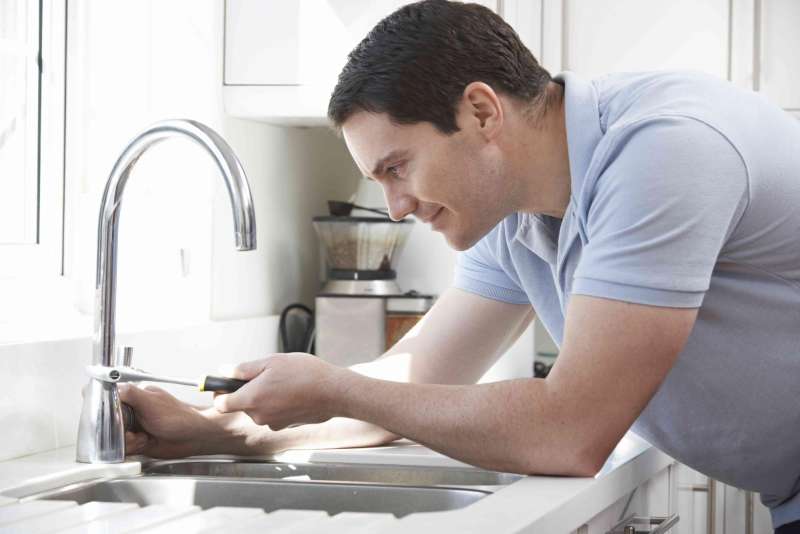
Repairing leakages in pipes, faucets, toilets, and home appliances.
Quick resolution of severe obstructions and overflows.
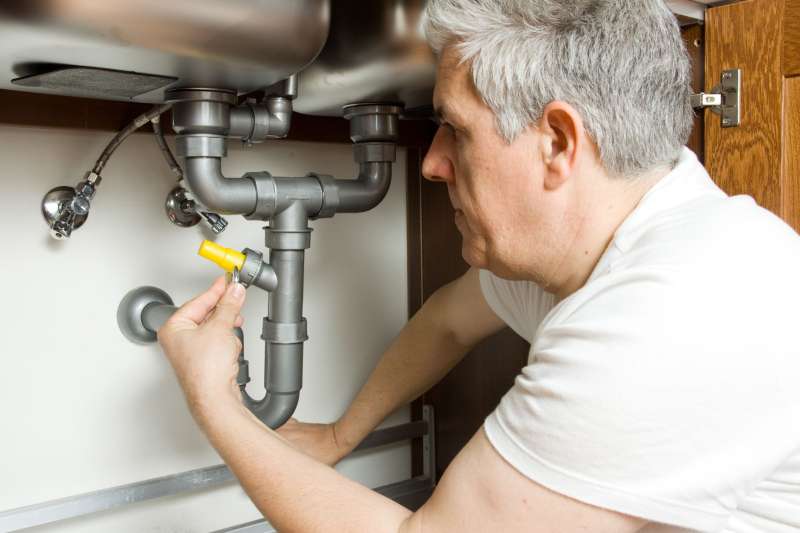
Utilizing video cameras to examine pipes for damage or obstructions.
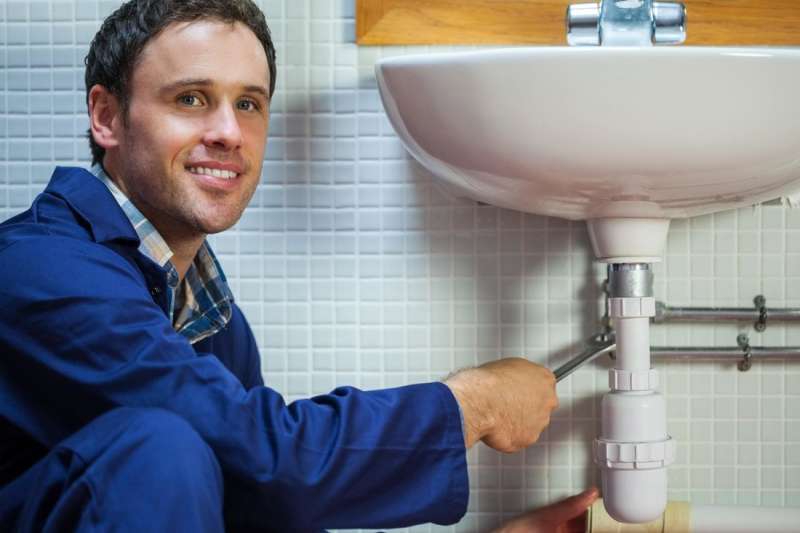
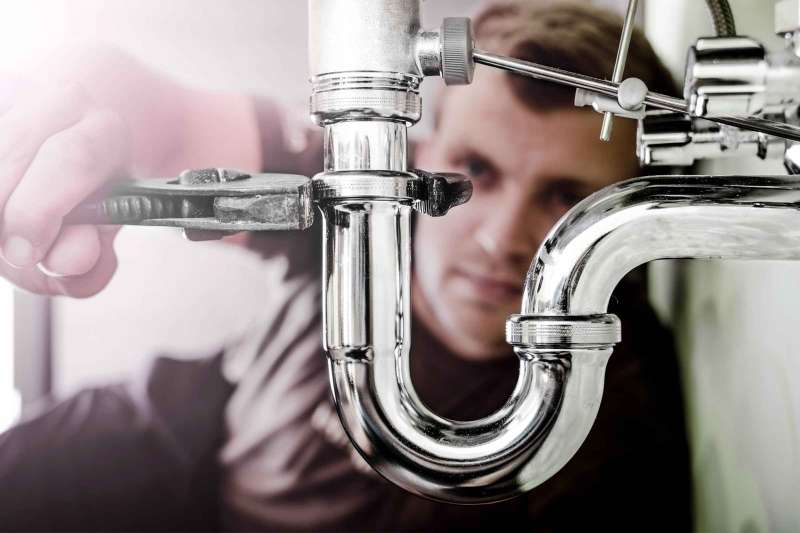
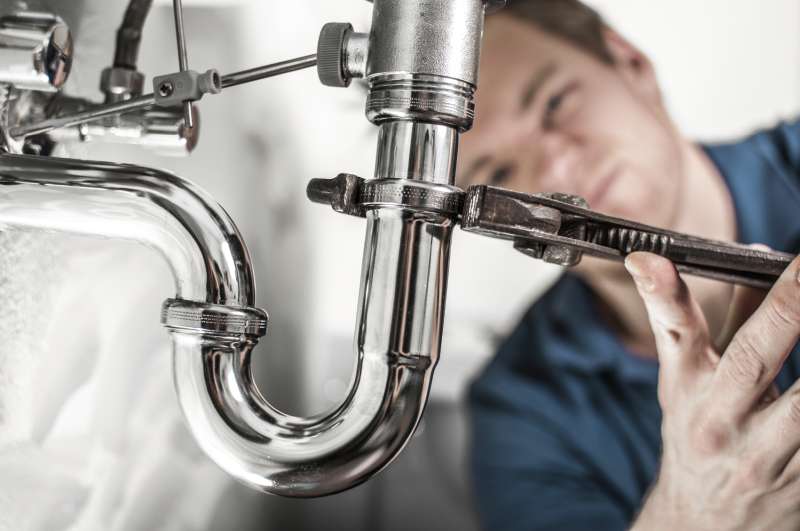
Fixing or replacing burst, rusted, or harmed pipes.
Installing brand-new piping systems for water, gas, and drainage.

Assessing plumbing systems before buying residential or commercial property.
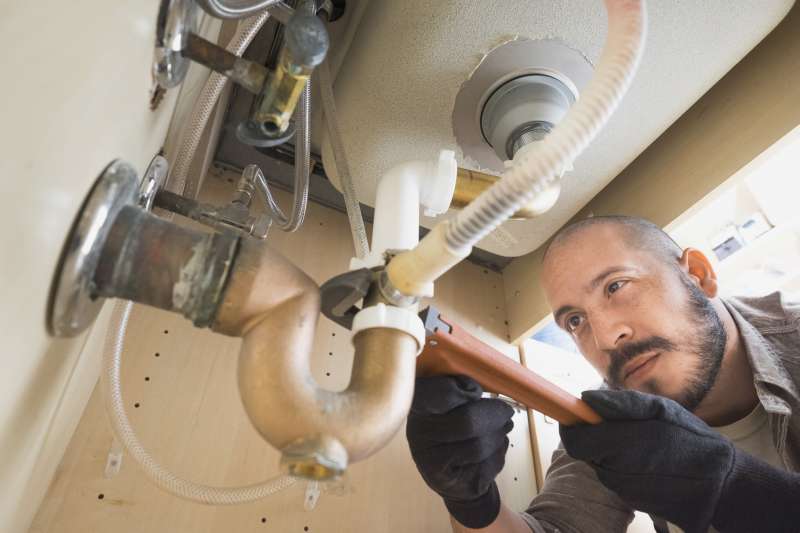
Setting up systems to gather and use rainwater.
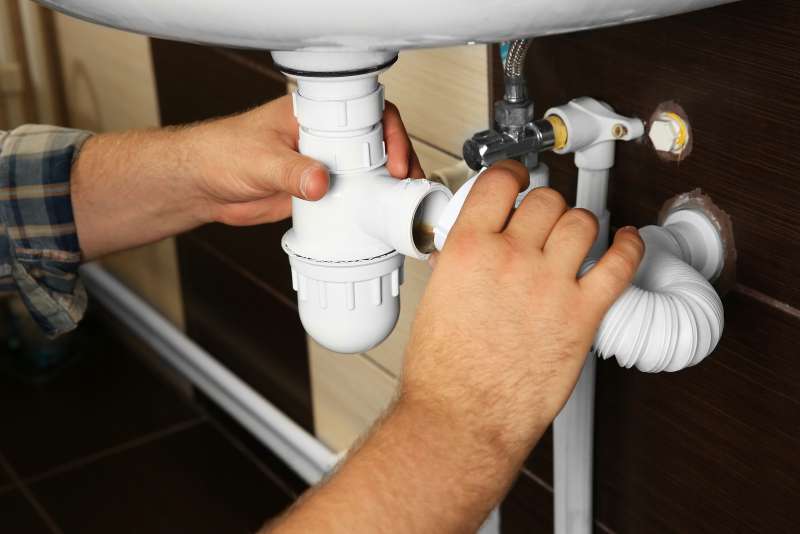
Ongoing maintenance services for businesses.
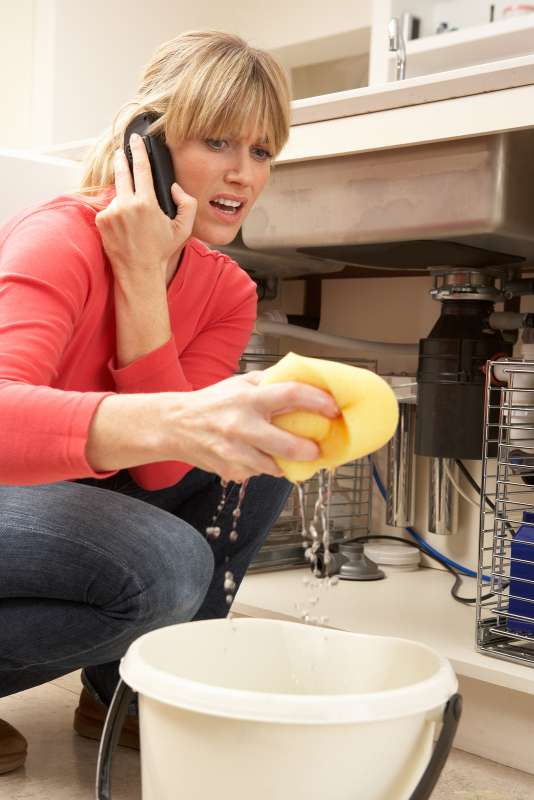
Putting up, repairing, and maintaining septic systems.
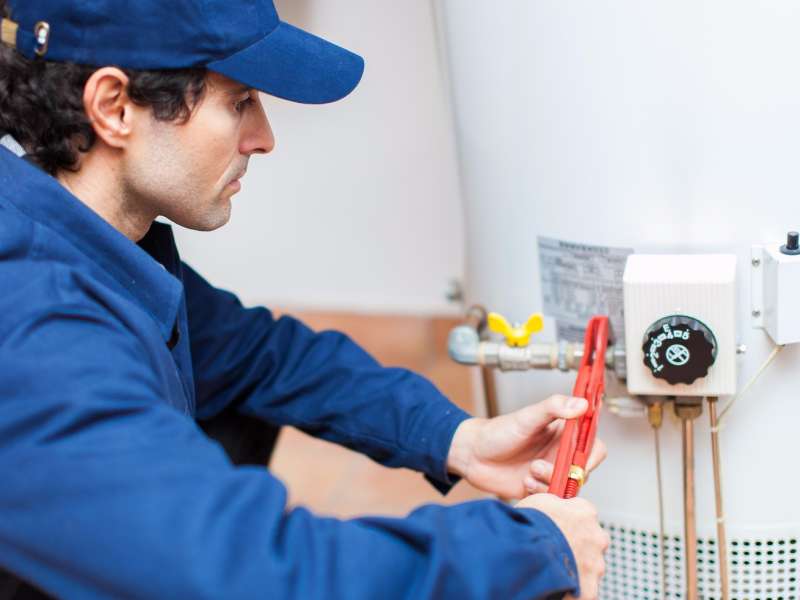
Managing groundwater in basements.
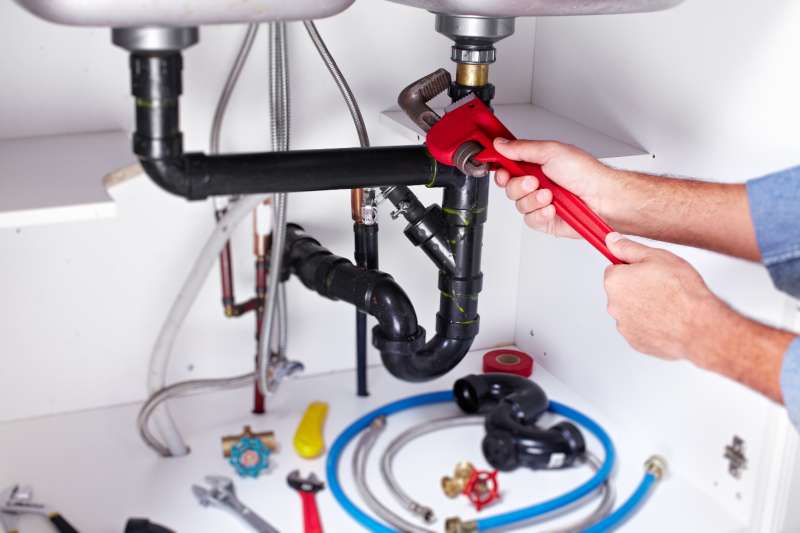
Setting up water-efficient or modern-day components.
Encouraging on water-saving techniques and products.

Installing water conditioners and filtering systems.
Flushing and examining hot water heater to prolong lifespan.
Dealing with concerns with temperature level, leakages, or failure to heat water.
Safeguarding basements or other areas from water invasion.
Immediate attention to prevent contamination and health dangers.